
The debate over which grocery bag is best for the environment has been ongoing for years. Plastic, paper, and reusable options each have pros and cons.
Plastic Grocery Bags
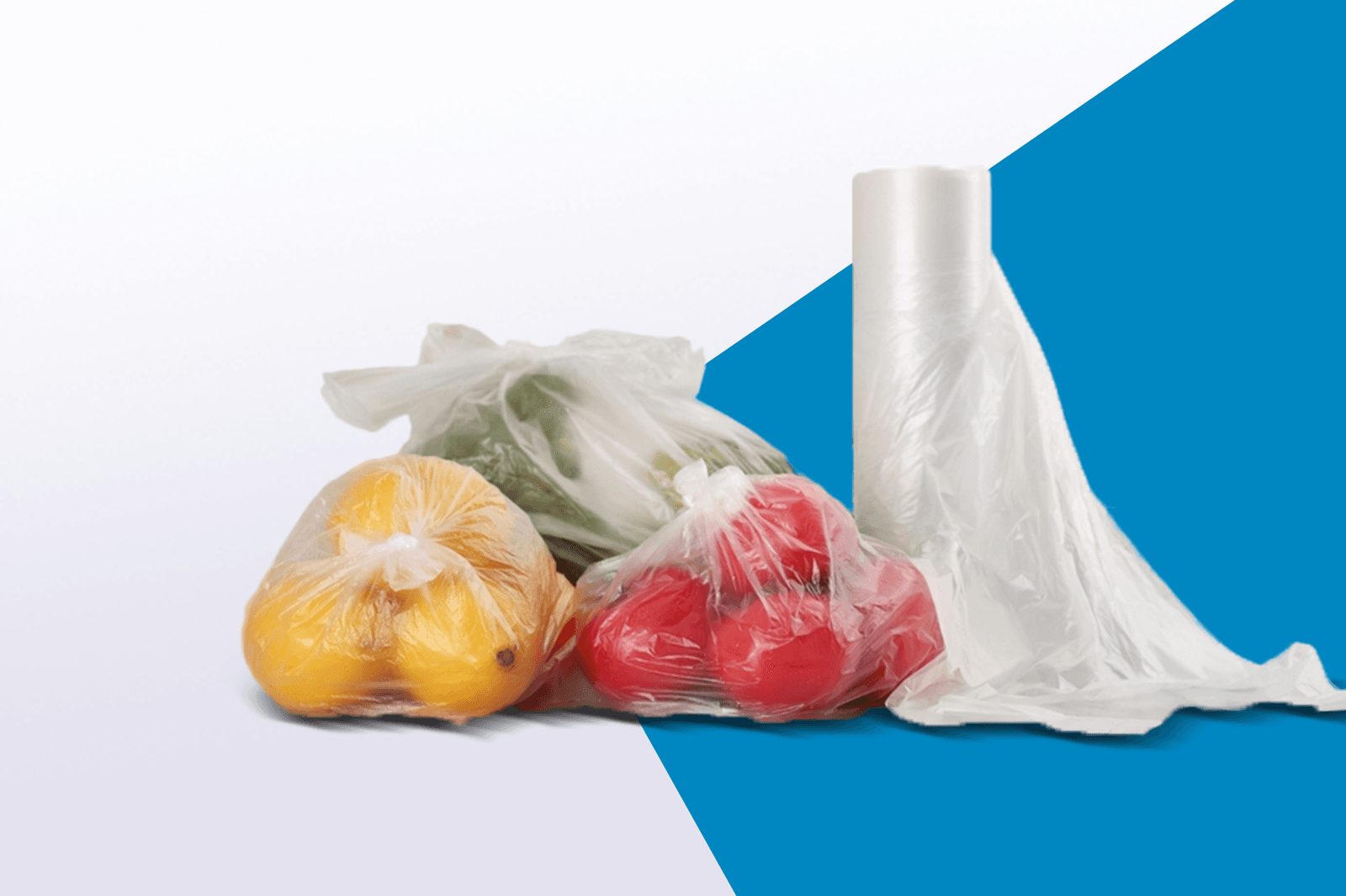
Plastic grocery bags are convenient, lightweight, durable, and waterproof. Most stores provide them at low or no cost.
Despite that convenience, they are made from non-renewable fossil fuels and can take hundreds of years to decompose, contributing to pollution.
While technically recyclable, plastic bags often are not accepted in curbside programs and can clog recycling machinery.
Paper Grocery Bags
Paper bags are made from renewable resources, are biodegradable, and are often produced from recycled paper.
Their production is more energy- and water-intensive than plastic bags and can contribute to deforestation and pollution.
Paper bags are more widely accepted in recycling programs and can be turned into new paper products.
Reusable Grocery Bags
Reusable bags made from cloth, jute, or heavy-duty plastic are designed for long-term use and can carry heavier loads.
Production requires more resources upfront, but repeated use can offset that impact by replacing hundreds of single-use bags.
Comparing Impacts
Plastic bags have low production cost but a high environmental toll. Paper bags decompose faster and recycle more easily, but production is resource-intensive. Reusable bags have the highest initial footprint but the strongest long-term waste-reduction benefit when used repeatedly.