
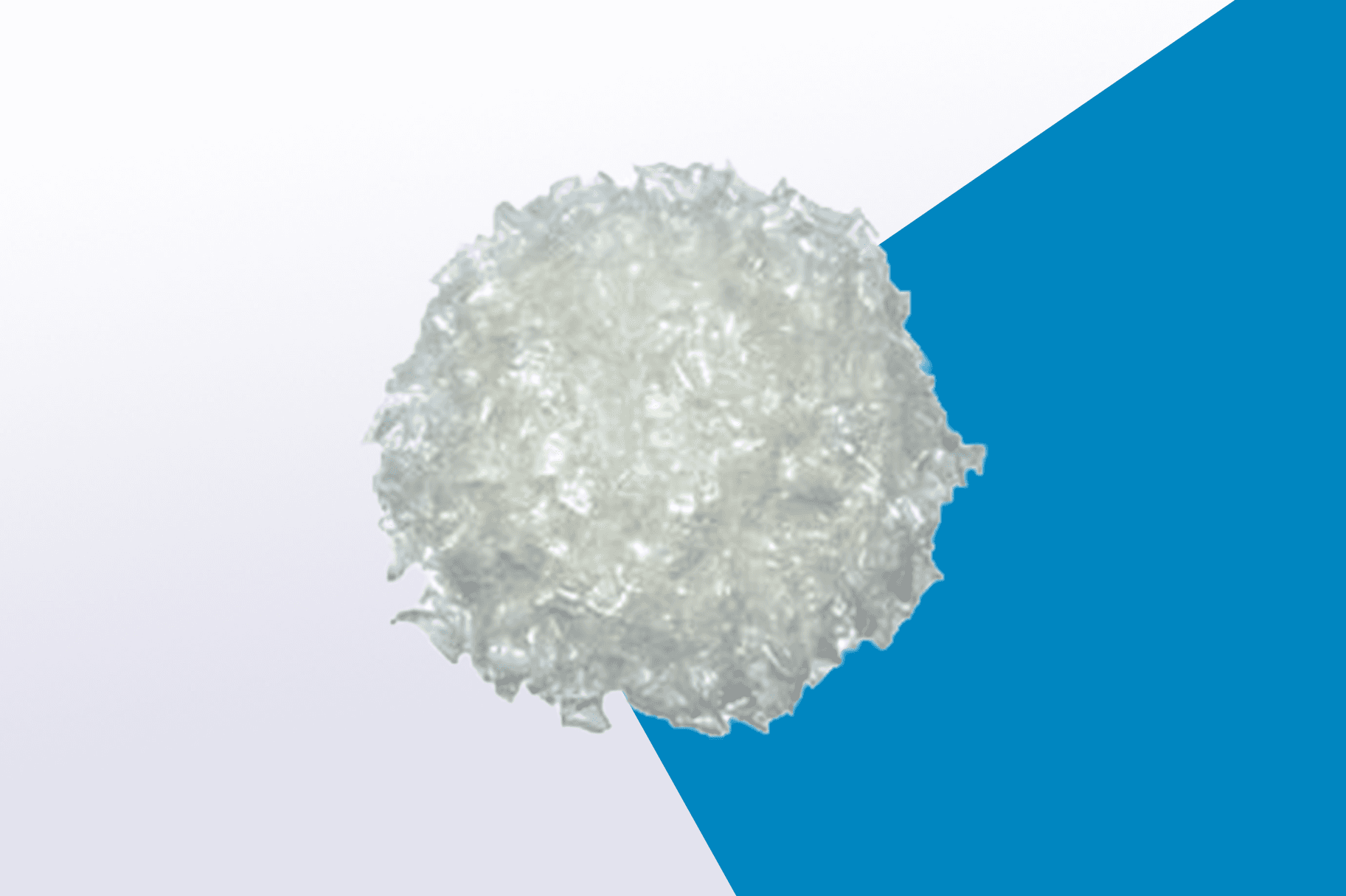
PET flakes are a key player in the fight against plastic waste, turning discarded bottles into valuable resources. This article looks at the significance of PET flakes and their role in driving sustainability.
What Are PET Flakes?
PET flakes are small particles of processed polyethylene terephthalate (PET), a plastic commonly found in bottles. Recycling PET into flakes helps reduce waste and promotes a sustainable cycle.
How Are PET Flakes Made?
The journey of PET flakes begins with the collection, sorting, and cleaning of PET bottles. These bottles are then shredded into flakes, further purified to remove impurities, and made ready for reuse.
Environmental Impact
Recycling PET bottles into flakes keeps plastic out of landfills and oceans, cutting down pollution. This process also reduces demand for new plastic and conserves natural resources.
Economic Advantages
PET flake production is eco-friendly and cost-effective. It reduces expenses related to raw material extraction and processing, while supporting local economies through recycling industry jobs.
Versatile Applications
From new bottles to textiles and packaging materials, PET flakes are highly versatile. Their adaptability supports a circular economy by extending the life cycle of materials.
Recycled PET flakes can be melted and remolded into new bottles, spun into fibers for clothing and upholstery, and used in packaging containers and trays.
Challenges in PET Flake Recycling
Maintaining consistent quality is a key hurdle — recycled PET may carry impurities, so refining the recycling process is essential.
Successful recycling also depends on effective collection and sorting, plus stable market demand for recycled PET.
Blue Wave’s Role in PET Flake Recycling
Blue Wave, a UAE-based company, processes PET bottles into high-quality flakes with a focus on efficient recycling. These initiatives help reduce plastic waste and support a circular economy.